DOJ Says Sworn Agents Are Excluded From Poll-Monitor Teams After NAACP Challenge
New sworn filings say the Justice Department removed five ATF agents and screened out other personnel with arrest authority. The wider Election Day deployment—and the legal fight over it—continues.
The Black Angle News Desk · AI-assisted reporting
The Justice Department says it has removed sworn federal agents from its Election Day monitoring teams after a federal judge pressed the government for clearer answers. In a sworn declaration filed November 2, the acting head of the DOJ Voting Section said five ATF volunteers identified as sworn personnel were excused, DEA excluded its sworn officers and agents, and the FBI was left out of the program entirely. The filing does not cancel the wider monitoring operation.
What the new filing says
DOJ still plans to send about 1,000 volunteer monitors across all 50 states on November 3. The new declaration says no earlier federal election deployment had exceeded 600 monitors. It says the expansion is intended to increase coverage, with assignments based primarily on the locations of U.S. attorney’s offices and on needs such as language access.
Employees from the Bureau of Prisons, Drug Enforcement Administration and Bureau of Alcohol, Tobacco, Firearms and Explosives may still serve, but DOJ says it took reasonable steps to exclude personnel with federal arrest authority. The department also says no FBI or ICE employees will be monitors. For Bureau of Prisons staff, DOJ told the court that their limited statutory arrest authority applies to prison property or offenses connected to incarceration—not to election monitoring.
Rules for the monitors
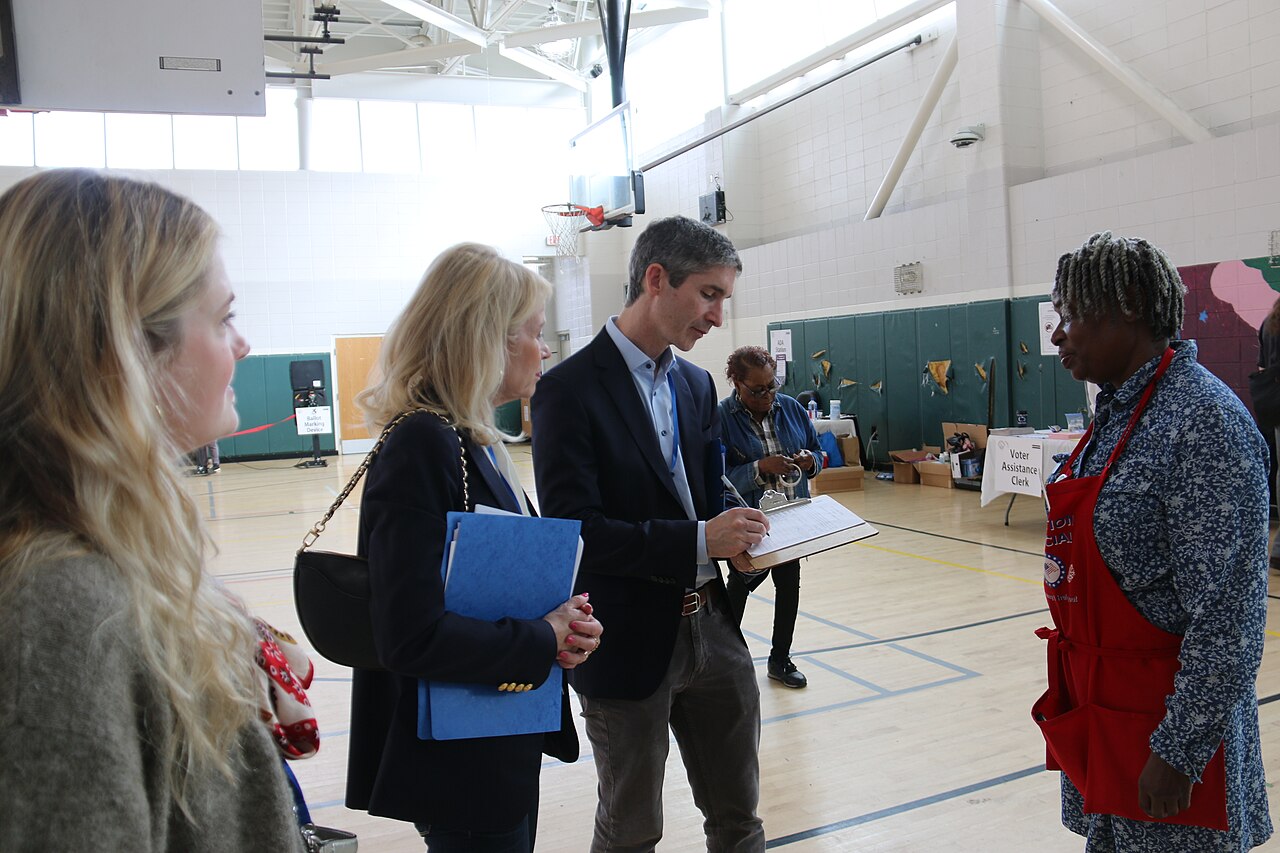
The government’s written rules say monitors are there to observe and gather information, not to enforce criminal law. They are instructed not to carry firearms, display agency insignia, interfere with voters or election officials, or speak with voters inside polling places. They may ask willing voters about their experience only after those voters leave, and they must follow state and local access rules. Those are sworn government representations; they are not an independent audit of every assignment.
Why civil-rights groups went back to court
The additional detail arrived after the NAACP, Advancement Project and Legal Defense Fund sought emergency relief on behalf of the civil-rights group and individual voters. Their motion argues that sending personnel from federal law-enforcement components into polling places can intimidate voters, particularly Black voters and other communities with a history of official interference. That remains an allegation in active litigation, not a final finding. DOJ disputes the claim and says its monitors are intended to assess compliance with federal voting-rights laws.
At a November 2 hearing, U.S. District Judge Reggie B. Walton questioned whether the department could guarantee that sworn officers would not be deployed. DOJ’s lawyer initially could not give an absolute assurance, prompting the supplemental declaration and a same-day filing that says personnel with arrest authority were screened out. The public case docket showed additional court orders later that day, but accessible copies reviewed for this update did not yet disclose a final ruling on the NAACP’s emergency request.
What changed—and what did not
The practical change is narrower than ending the program but more specific than the department’s earlier assurances. Sworn ATF and DEA agents are out, FBI and ICE employees are out, and every monitor is supposed to be unarmed and non-interfering. At the same time, employees of law-enforcement components remain in the program, the location list has not been fully disclosed and the underlying dispute over authority and intimidation is unresolved.
What voters can do
Voters do not have to answer a DOJ monitor’s questions. Anyone who witnesses threats, coercion or aggressive questioning can alert local or state election officials, call the nonpartisan Election Protection hotline at 866-OUR-VOTE, or contact the Justice Department’s voting-rights hotline at 800-253-3931. If a voter is challenged or missing from the registration list, they can ask about a provisional ballot; anyone still in line when polls close has the right to remain and vote.
For Black communities, the most useful response is informed confidence: know the limits DOJ has placed on its teams, document conduct that crosses those limits and cast a ballot if eligible. The new filings reduce the risk of encountering a sworn federal agent serving as a monitor, but they do not erase the larger questions raised by an unusually broad federal presence on Election Day.
This update relies on sworn DOJ filings, the NAACP’s emergency motion, contemporaneous hearing coverage and earlier independent reporting. The public docket showed additional November 2 orders, but accessible copies reviewed before publication did not reveal the court’s final disposition. No directly relevant official video was available, so none was attached.
Published by The Black Angle. Editorial standards & corrections.
The conversation (0)
Bring your perspective. Keep it thoughtful, relevant, and respectful. Community guidelines
Sign in or create an account to comment under your username. You can also comment as a guest; guest names are not verified.
Loading the conversation…