The Most Influential Black Women of 2026—So Far
Ten women shaping culture, sport, investment, technology and community life: The Black Angle’s editorial selection, through October 15.
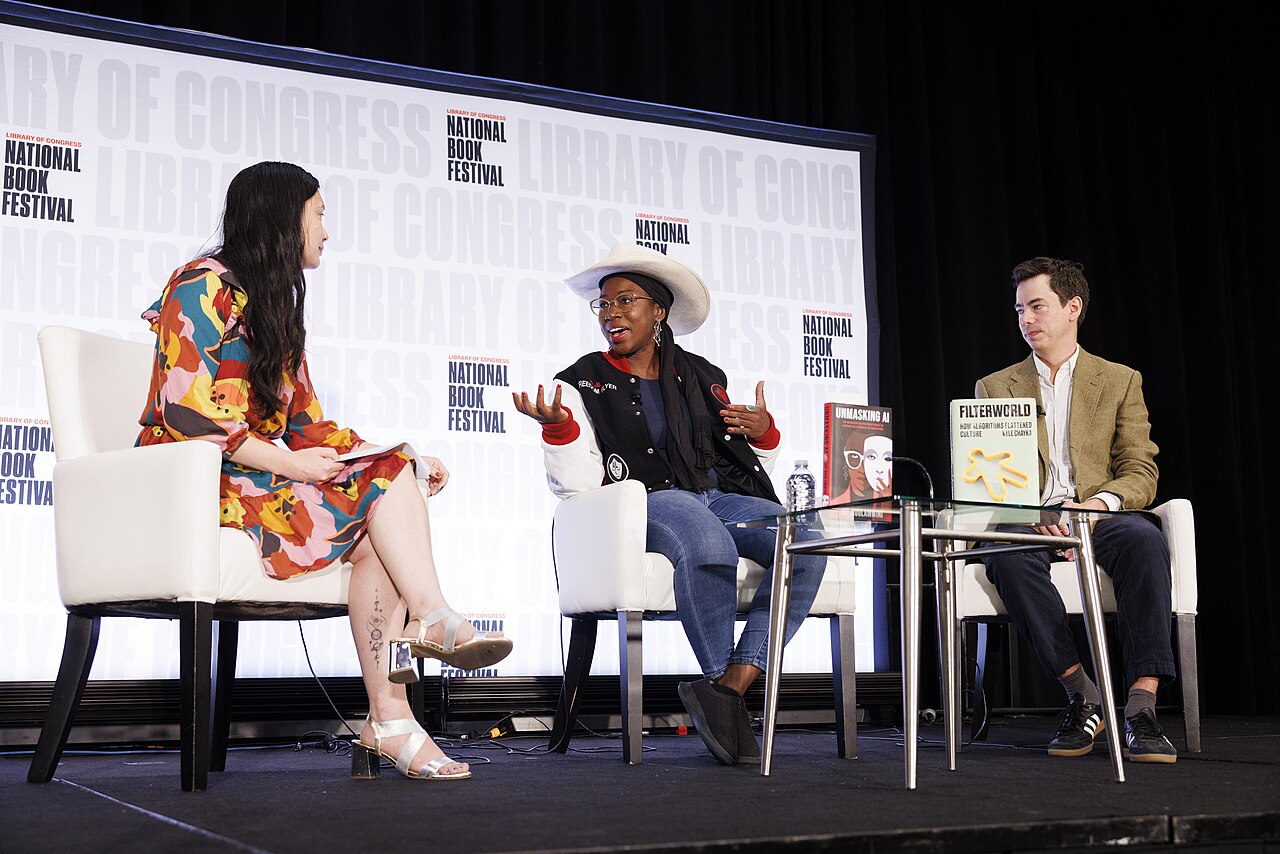
Reporting cutoff: October 15, 2026. Black women’s influence reaches from the screen and the court to investment decisions and public institutions. These ten selections reflect documented achievements, cultural impact, leadership and measurable contributions where available. They are unranked editorial choices, not a universal top ten or a finished year-end verdict. Inclusion recognizes particular work rather than endorsing every decision. Each entry identifies a development from this year; earlier accomplishments provide context.
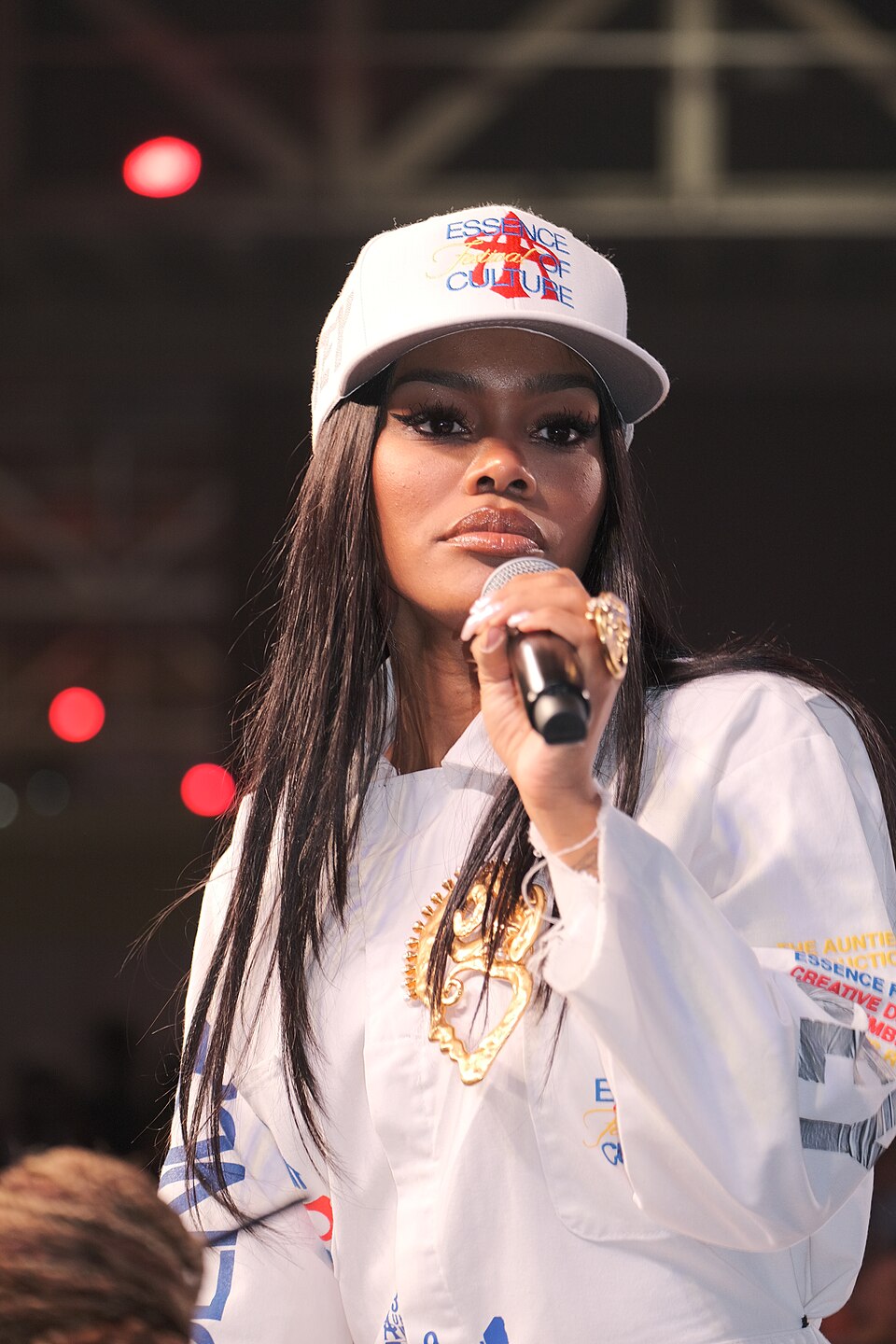
Teyana Taylor: range rewarded
On January 11, Taylor won the supporting-actress Golden Globe for One Battle After Another. The film arrived in 2025; this year brought the award and a speech affirming Black and brown girls’ ambitions. Her selection recognizes the space she is claiming as an actor alongside her music career. For Black creators working across disciplines, that visibility matters: a familiar public identity need not become a professional ceiling.
Olivia Dean: a wider stage for soul
Dean won Best New Artist at the Grammys on February 1, following the 2025 release of The Art of Loving. The British singer, whose mother is Jamaican-Guyanese, used her acceptance speech to acknowledge her immigrant grandmother. We include her for bringing her musical voice and family history onto a major American stage. The distinction is recognition earned in 2026, not a claim that her career began this year.
Cynthia Erivo: ambition onstage
In February, Erivo took on 23 characters in Dracula at London’s Noël Coward Theatre, combining live performance with prerecorded screen work. Reviews differed on the production, and influence does not require unanimous praise. Her selection rests on the scale of that undertaking: a Black woman carrying a technically demanding reinterpretation of a familiar story, demonstrating artistic range beyond the roles that made her widely recognizable.
Amy Sherald: Black life at museum scale
American Sublime ran at Atlanta’s High Museum from May 15 through September 27. Its paintings were made across earlier years, so this year’s milestone was the exhibition’s Georgia presentation, not the creation of every work. Sherald’s portraits make ordinary Black people worthy of sustained attention. We recognize her role in expanding whose faces, gestures and everyday lives occupy major museum walls.
A’ja Wilson: setting the standard
On October 8, Wilson earned her record fifth WNBA MVP award, becoming the league’s first player to win it three seasons consecutively. She averaged 26.2 points and 9.4 rebounds in the 2026 regular season. Those achievements give this selection a measurable foundation. Her influence begins with the basketball itself: sustained excellence that raises the standard against which her contemporaries and future players will be assessed.
Coco Gauff: competition and opportunity
Gauff won her second Cincinnati Open singles title on August 23. Earlier, in January, she donated $150,000 to UNCF for tennis players attending historically Black colleges and universities, following a separate $100,000 gift in 2025. That combination earns her place here. Competitive success brings attention; directing resources toward HBCU athletes gives part of that influence a practical purpose beyond her own results.
Mellody Hobson: capital behind women’s sports
On February 3, Hobson announced that Ariel Investments’ Project Level had completed a first close with $250 million in committed capital. The women’s sports investment effort began in 2025; this was its 2026 fundraising milestone. Commitments are not profits or proof of investment returns. We recognize the leadership involved in moving substantial capital toward teams, leagues and related businesses—and the ownership opportunities that can accompany that investment.
Lisa Gelobter: technology as public service
New York City named Gelobter its chief technology officer on February 10. On July 13, she helped launch Public Interest Technology teams to build digital services alongside city agencies, including a planned consumer-complaint portal. We are recognizing her shift from technology entrepreneurship into consequential public leadership. The launch is documented; the promised services still need to be judged by delivery, accessibility and usefulness to residents.
Joy Buolamwini: giving communities a say in AI
Buolamwini’s Coded Bias education tour held its virtual finale on February 27, extending earlier research into public conversations about AI. On October 9, her Algorithmic Justice League announced the Off Record Zones Alliance to encourage spaces without nonconsensual AI-wearable recording. These are education and organizing milestones, not proof that privacy problems are solved. Her influence is in making consent and affected communities central to the technology debate.
Damilola Ogunbiyi: energy access and opportunity
Ogunbiyi leads Sustainable Energy for All and co-chairs Mission 300’s joint working group. On June 16, the World Bank Group and African Development Bank Group reported that the initiative had connected more than 50 million people across 40 African countries since its 2024 launch. That is a collective, institution-reported result—not her individual tally or a 2026-only total. We recognize her leadership in the partnerships connecting energy access with education, health and livelihoods.
Keep exploring with our Black movie directors guide and practical AI filmmaking tutorial. The opportunity is to learn from the craft, leadership and community commitments behind the recognition.
Published by The Black Angle. Editorial standards & corrections.
The conversation (0)
Bring your perspective. Keep it thoughtful, relevant, and respectful. Community guidelines
Sign in or create an account to comment under your username. You can also comment as a guest; guest names are not verified.
Loading the conversation…