Mighty Sparrow, towering voice of calypso, dies at 91
Slinger Francisco carried calypso’s wit, social commentary and Caribbean storytelling around the world across a career that lasted more than six decades.
The Black Angle News Desk · AI-assisted reporting
Slinger Francisco, the Grenadian-born Trinidadian artist celebrated around the Caribbean and beyond as the Mighty Sparrow, died September 27 in New York at age 91. His family said in a statement reported by the Associated Press that he died peacefully, surrounded by relatives, after a brief illness. No further medical details were disclosed. Because the family statement is not yet available through an independently accessible primary source, this initial report should be read as preliminary even though the AP is a highly reputable news organization.
The loss reaches far beyond one nation or one generation. For more than six decades, Sparrow turned calypso into a vehicle for humor, rivalry, social criticism, desire and political observation. His songs traveled through Carnival tents, record shops, radio stations and diaspora communities, helping listeners hear the Caribbean speaking in its own voice. The Trinbago Unified Calypsonians’ Organisation remembered him in the AP report as a defining cultural voice and master storyteller who helped carry calypso from Trinidad and Tobago to the world.
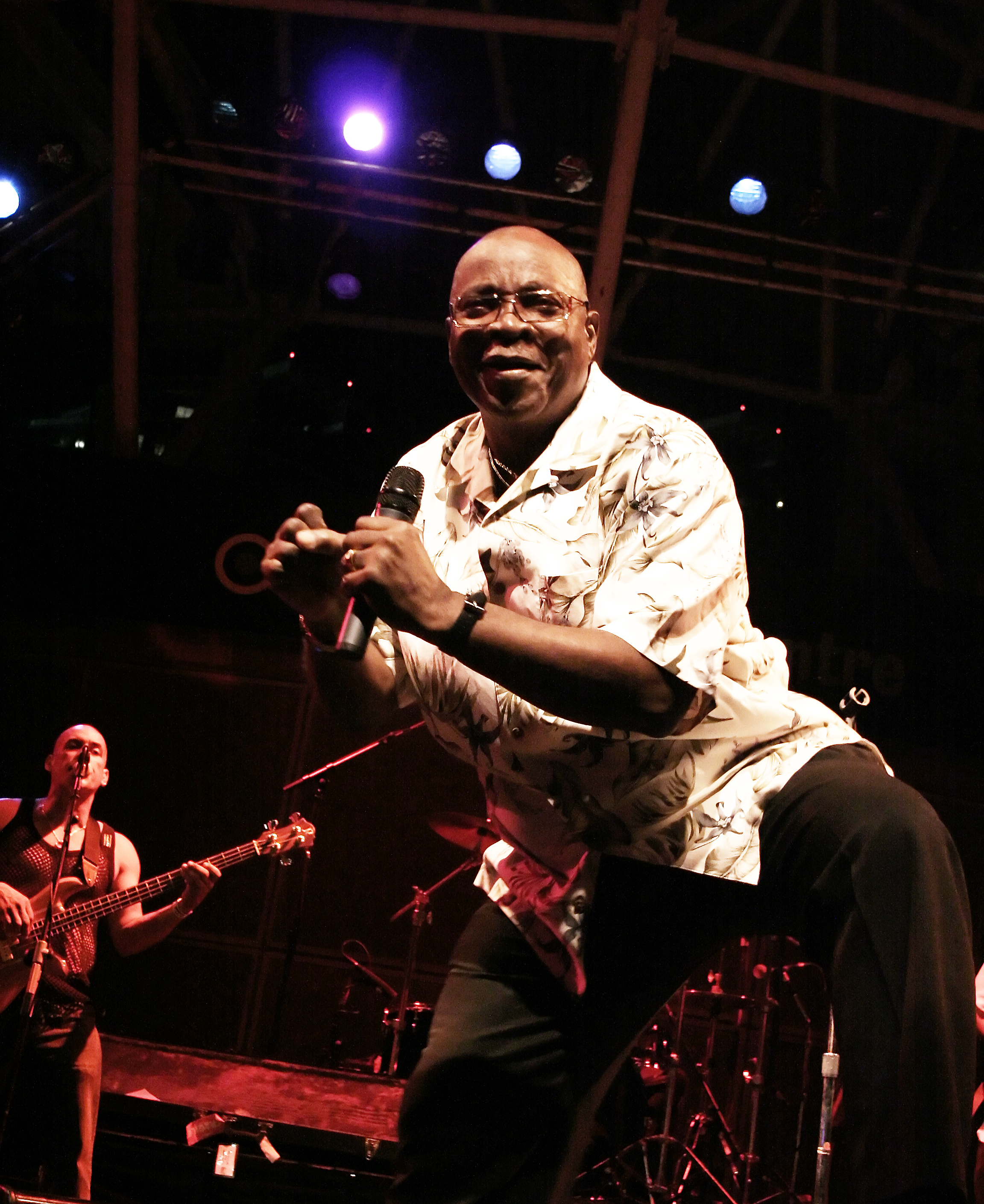
Born in Grand Roy, Grenada, on July 9, 1935, Francisco moved to Trinidad and Tobago with his family while still a young child. He grew up in the Port of Spain area, sang in a Catholic school choir and joined a neighborhood steel band as a teenager. His stage name came from the quick, restless movement that distinguished him from singers who stood rigidly at the microphone. What began as a nickname became one of the most recognizable names in Caribbean music.
His breakthrough arrived in 1956 with “Jean and Dinah,” a sharp, danceable song about the social changes that followed the departure of American servicemen from Trinidad. It won him the island’s Calypso King title and Road March competition, establishing the combination that would define much of his work: an irresistible chorus carrying an argument about power, money, sex or public life. His catalog eventually grew to hundreds of recordings, including “Mr. Walker,” “The Lizard,” “Both of Them,” “Ten to One Is Murder” and “Sparrow Come Back Home.”
Sparrow’s work belongs to a tradition in which calypsonians function as entertainers, commentators and verbal competitors. Smithsonian Folkways describes his early recordings as unflinching social commentary delivered with exuberance and literary skill. The songs could be playful, provocative and bawdy, but they also tracked a postwar Caribbean negotiating colonial power, migration, changing gender relations and national identity. Humor was not an escape from serious subjects; it was often the instrument he used to reach them.
That range helps explain why Sparrow’s influence cannot be measured only by chart positions. He became part of the cultural memory of Trinidad and Tobago while building an audience across the wider Caribbean, Britain, Canada and the United States. He performed internationally, including at Madison Square Garden, and maintained deep ties to New York’s Caribbean community. His voice helped connect people living abroad to a region whose politics, language and everyday life remained central to his writing.
Recognition followed across decades. Trinidad and Tobago honored him with national awards, and the University of the West Indies awarded him an honorary Doctor of Letters in 1987. In 2015, he was appointed an Officer of the Order of the British Empire. Those distinctions placed institutional recognition around an authority audiences had already granted him through records, performances and Carnival competition.
He was also a survivor. After a serious health crisis in 2013, Sparrow returned to public performance and continued releasing and presenting music into his later years. That persistence reinforced the affectionate image of “Birdie,” an artist whose presence seemed woven into Caribbean public life. Reports of his death had circulated falsely before, which is another reason to handle this moment carefully and ground the news in his family’s statement rather than social-media repetition.
Sparrow leaves a body of work that rewards listening beyond the best-known songs. The Smithsonian’s collections preserve his early calypsos, while his official catalog shows how long he continued to reshape the form. His legacy is the sound of a Black Caribbean artist insisting that local stories, arguments, jokes and contradictions were worthy of the world’s attention. As fuller family and funeral details become public, this report will be updated. For now, the music offers the clearest measure of what has been lost—and what remains.
The death is attributed to a family statement reported by the Associated Press; a separately accessible primary statement was not yet available at publication. Background details are supported by the artist’s official biography, Smithsonian Folkways and the University of the West Indies.
Published by The Black Angle. Editorial standards & corrections.
The conversation (0)
Bring your perspective. Keep it thoughtful, relevant, and respectful. Community guidelines
Sign in or create an account to comment under your username. You can also comment as a guest; guest names are not verified.
Loading the conversation…