Dennis Haysbert’s ‘Gilded Age’ Role Puts Freedmen’s Hospital Inside the Mansion Drama
Haysbert enters season four as a fictional Black physician raising money for a real institution that trained doctors and served Washington through segregation.

HBO Max’s official trailer introduces the fourth season’s returning ensemble and new conflicts. It is promotional context for the series, not a documentary record of Freedmen’s Hospital. Video credit: HBO Max.
The Black Angle News Desk · AI-assisted reporting
Dennis Haysbert enters ‘The Gilded Age’ on Sunday, November 1, with a mission larger than another invitation into high society. In the fourth season, he plays Dr. Reginald Harris, a fictional physician who mentors Dr. William Kirkland and travels to New York to raise money for Freedmen’s Hospital in Washington, D.C. HBO’s season begins at 9 p.m. Eastern, and the network has described Harris as making a ‘surprising connection’ without revealing the outcome.
A fundraising plot changes the meaning of wealth
The fundraising premise gives the recurring role unusual weight before a single new episode airs. ‘The Gilded Age’ is built around fortunes, status and who is admitted to elite rooms. Harris arrives asking what wealth can build for Black patients and physicians outside those rooms. That does not make the drama a documentary, but it places a real Black institution inside a series whose most visible spectacle is usually private luxury.
The real hospital began during the Civil War
Freedmen’s Hospital began in Washington in 1862, when the War Department established a hospital at Camp Barker for formerly enslaved and displaced Black people. Major Alexander T. Augusta took charge in 1863 and became the first African American known to head a major hospital in the United States. The hospital later came under the Freedmen’s Bureau and moved to Howard University’s campus in 1869.
Care and medical training were inseparable
By the era dramatized in the series, the hospital was already tied to Howard’s medical school and serving as both a care site and a training ground. That dual function matters. Black patients faced segregated medicine, while Black doctors were excluded from many internships and residencies that turned a degree into a career. Howard’s history records Freedmen’s as one of the few hospitals where African American physicians could receive postgraduate specialty training.
The institution continued into Howard University Hospital
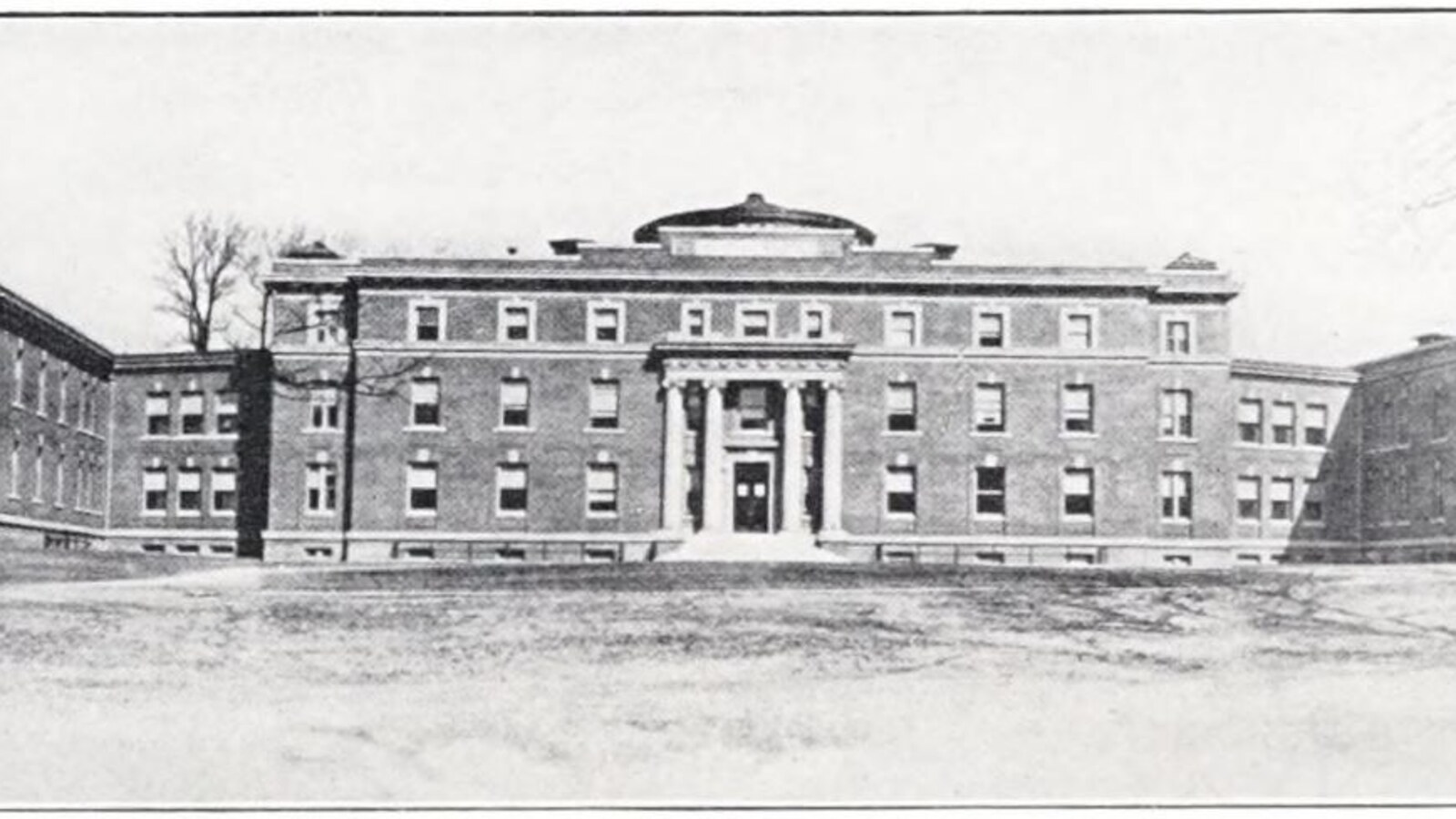
The institution continued changing long after the 1880s. Congress authorized a new 278-bed building completed in 1909. Federal control ended when Freedmen’s was transferred to Howard University in 1967, and a new Howard University Hospital replaced it in 1975. The original main building still stands as Howard’s C.B. Powell Building, now used by the School of Communications. That continuity makes the show’s fundraising story more than a period detail: viewers can trace the institution into the present.
Black history is built into the production process
The series has an established reason to take that history seriously. Erica Armstrong Dunbar, an Emory professor of African American studies, has served as lead historical consultant and co-executive producer since production began. Emory says she helps shape the show’s Black-elite storylines and checks period language and events. Dunbar has explained that the work is meant to widen television’s image of nineteenth-century Black life beyond enslavement and its immediate aftermath.
The character is fictional, and the outcome is still unknown
That context also sets a fair limit on expectations. Harris is not presented as a recovered historical person, and the show has not said that his plot will reconstruct every institutional struggle around Freedmen’s Hospital. His mentor relationship, fundraising trip and unspecified connection are promotional facts; what he accomplishes, who supports him and how much time the hospital receives remain story questions. This article does not claim access to unaired episodes.
The Black Angle’s view: give the institution real dramatic stakes
The Black Angle’s view: adding a Black doctor to a prestige drama is representation; making his professional mission part of the conflict is closer to substance. If the season treats Freedmen’s Hospital as an institution that required money, political access and Black expertise—not simply a noble name—it can connect the show’s obsession with wealth to the infrastructure communities built when exclusion was policy. The history is already compelling enough that the fiction does not need to embellish it.
What the video and photograph show
The lead video is HBO Max’s official season-four trailer, uploaded October 14. It introduces the season’s ensemble and stakes but is promotional material, not historical evidence about Freedmen’s Hospital. The cover is a public-domain 1910 archive photograph of the real hospital and is labeled accordingly; it is not an HBO still or an image of Haysbert’s character.
Dr. Reginald Harris is a fictional character; the mentorship and fundraising trip are official character details. Season four had not premiered at publication, so this article does not describe the plot’s outcome or imply that every detail is historical.
Published by The Black Angle. Editorial standards & corrections.
The conversation (0)
Bring your perspective. Keep it thoughtful, relevant, and respectful. Community guidelines
Sign in or create an account to comment under your username. You can also comment as a guest; guest names are not verified.
Loading the conversation…