Netflix renews ‘A Different World’ for a second season
The Hillman sequel earned a rapid Season 2 pickup after reaching Netflix’s global Top 10, with Deborah Wayne and her classmates set to return for sophomore year.
The Black Angle News Desk · AI-assisted reporting
Hillman College will remain in session. Netflix renewed its A Different World sequel for a second season on October 2, eight days after the 10-episode first season began streaming. The new chapter will bring Deborah Wayne and her classmates back after summer break for sophomore year. Netflix has not announced a release date or episode count, so the renewal is firm while the production schedule and shape of the season remain open.
Netflix says the series reached No. 4 on its global Top 10 chart for English-language television with 4.2 million views during its first four days of availability and appeared in the Top 10 in 15 countries. Those are the company’s own viewing figures rather than an independently audited audience measurement, and Nielsen data for the launch week were not yet available when the renewal was announced. Still, the quick pickup gives the creative team room to resolve the first season’s cliffhangers and move its young ensemble beyond freshman-year introductions.
Hillman College is back in session. Netflix released all 10 episodes of its new A Different World sequel on September 24, returning television to the fictional historically Black college 39 years after the original sitcom premiered. The new series follows Deborah Wayne, played by Maleah Joi Moon, as she begins her freshman year under the long shadow of her parents, Whitley Gilbert and Dwayne Wayne. Jasmine Guy and Kadeem Hardison reprise those roles, giving the continuation a direct family connection rather than treating the original as a distant reference.
Deborah arrives at Hillman determined to build a life that belongs to her, but the series places her among a full new class rather than making nostalgia the only attraction. Alijah Kai plays her roommate Rashida, while Chibuikem Uche, Cornell Young IV, Jordan Aaron Hall and Kennedi Reece round out the central student group. Netflix describes the season as a 10-episode, single-camera dramedy. That visual change distinguishes it from the original multicamera sitcom, while the college setting, friendships, romance and debates over responsibility remain recognizable parts of Hillman’s world.
The returning ensemble extends well beyond Deborah’s parents. Darryl M. Bell, Cree Summer, Charnele Brown, Dawnn Lewis, Glynn Turman, Jenifer Lewis, Karen Malina White, Ajai Sanders and Jada Pinkett Smith are among the original performers appearing in the sequel. Debbie Allen, who helped reshape the original series after its first season, serves as an executive producer and directed the premiere. Former original-series writers Gina Prince-Bythewood and Reggie Rock Bythewood also returned as executive producers, linking the new production to people who helped establish Hillman’s voice decades ago.
Felicia Pride serves as showrunner and executive producer. In interviews before the premiere, she described the continuation as an opportunity to let young Black characters be complicated, joyful and politically aware without reducing them to one message. Deborah’s challenges include academic pressure, family expectations and the distortions of growing up through social media. The season also places Hillman under financial strain, turning questions about institutional survival into a story that students, administrators and alumni must confront from different positions.
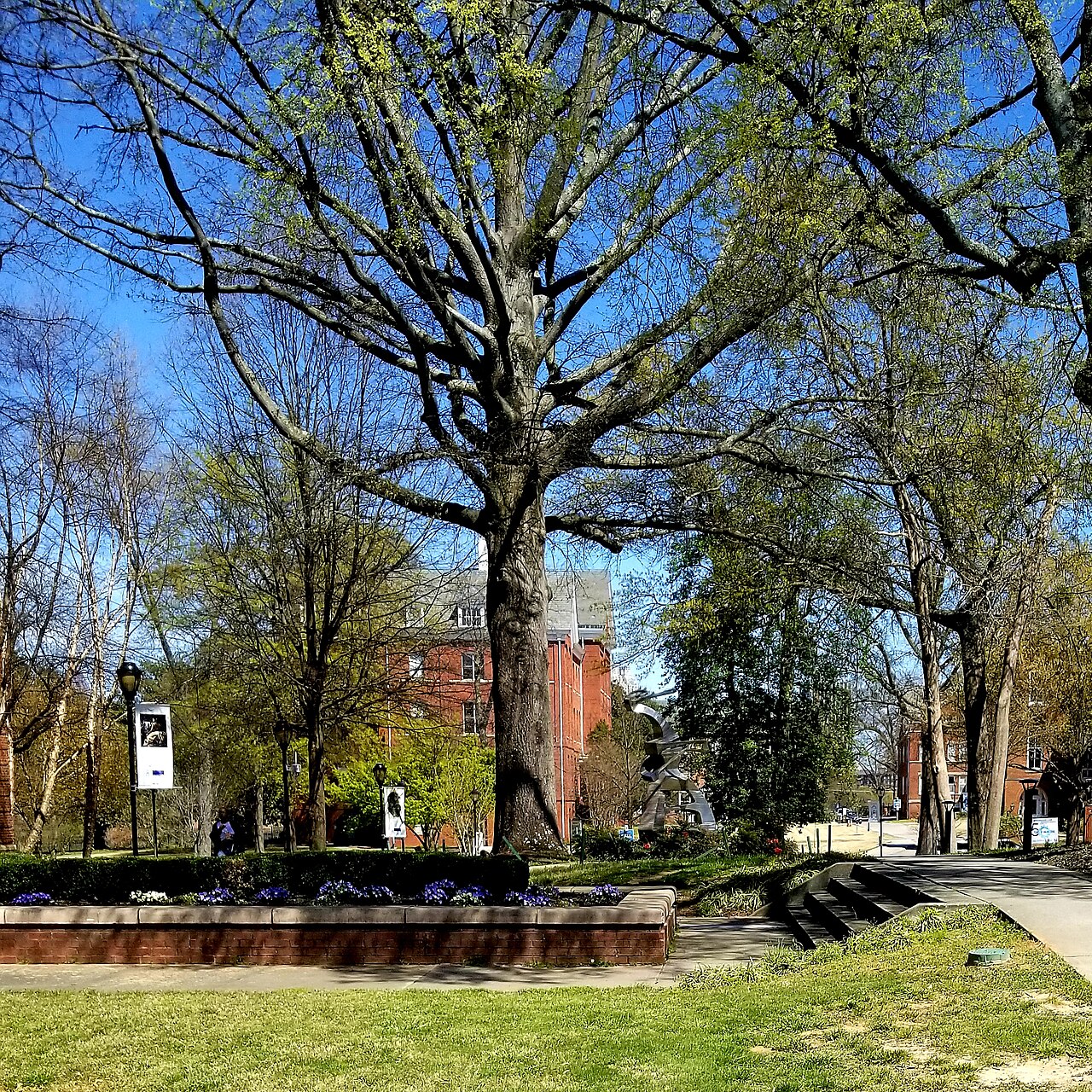
The production used real Black college spaces to build that world. Exterior scenes were filmed at Clark Atlanta University, Spelman College and Morehouse College, according to Vanity Fair’s reporting from the production. The series also convened an advisory group of students from those campuses and Howard, Florida A&M and Lincoln universities. Five students worked with the writers and five spent time on set; all were paid and credited. The production additionally hired HBCU students across departments, and Vanity Fair reported that 59 percent of background performers were HBCU students or alumni.
That participation gives the sequel a meaningful obligation. A Different World has long carried unusual cultural weight because the original showed Black college life as more than a backdrop. Its characters argued about apartheid, colorism, sexual assault, HIV and class while also falling in love, stepping, studying and making mistakes. The show did not create the HBCU experience, and changes in enrollment cannot be credited to one television program alone. It did, however, place HBCU community and intellectual life before a national prime-time audience at a scale that remains uncommon.
Early reviews agree that the new series is trying to preserve that mix of social awareness and youthful messiness, even when critics differ over how smoothly it works. The Los Angeles Times described the update as recognizably connected to the original but reborn in a different form, praising the energy of its early episodes. TheWrap argued that the sequel respects its predecessor while establishing a 21st-century Hillman. Those assessments are critical judgments rather than facts, but they help establish that the release is being received as a continuation with its own form, not only as a reunion special.
For Black audiences who have spent years asking what became of Whitley, Dwayne and their friends, the legacy cast offers an answer. The more consequential test is whether Deborah and her classmates can become meaningful on their own terms. Their Hillman exists amid funding pressure, online performance and a political climate in which Black history and higher education remain contested. By releasing the full season at once, Netflix has given viewers the chance to decide whether this new class can carry the institution forward. Whatever the verdict, a major series centered on an HBCU is again part of the television landscape.
Netflix has confirmed the renewal, but no Season 2 release date or episode count has been announced. The early viewing totals are Netflix’s internal measurements, not independently audited ratings.
Published by The Black Angle. Editorial standards & corrections.
The conversation (0)
Bring your perspective. Keep it thoughtful, relevant, and respectful. Community guidelines
Sign in or create an account to comment under your username. You can also comment as a guest; guest names are not verified.
Loading the conversation…