Black history under pressure: 10 documented changes during Trump’s second term
From Tuskegee Airmen lessons to slavery exhibits and Confederate memorials: what federal officials changed, what was reversed, and why the record matters.
The Black Angle opposes the removal or softening of Black history to make the nation’s past more comfortable. Since Donald Trump returned to office in January 2025, federal actions have affected military education, museum oversight, historical websites and public memorials. Together, we believe these decisions put Black achievement and the history of racial oppression under systematic pressure. That is our editorial assessment of the record below—not a claim that every change was personally ordered by Trump.
These are ten significant, documented examples, not a ranking or a claim to cover every incident. Some removals were temporary; some decisions concerned recognition or interpretation rather than destruction. Reversals matter and are included. The administration says its purpose is to remove divisive ideology and emphasize American achievement. Its March 27, 2025 history executive order supplies that rationale; it does not make every disputed historical claim accurate.
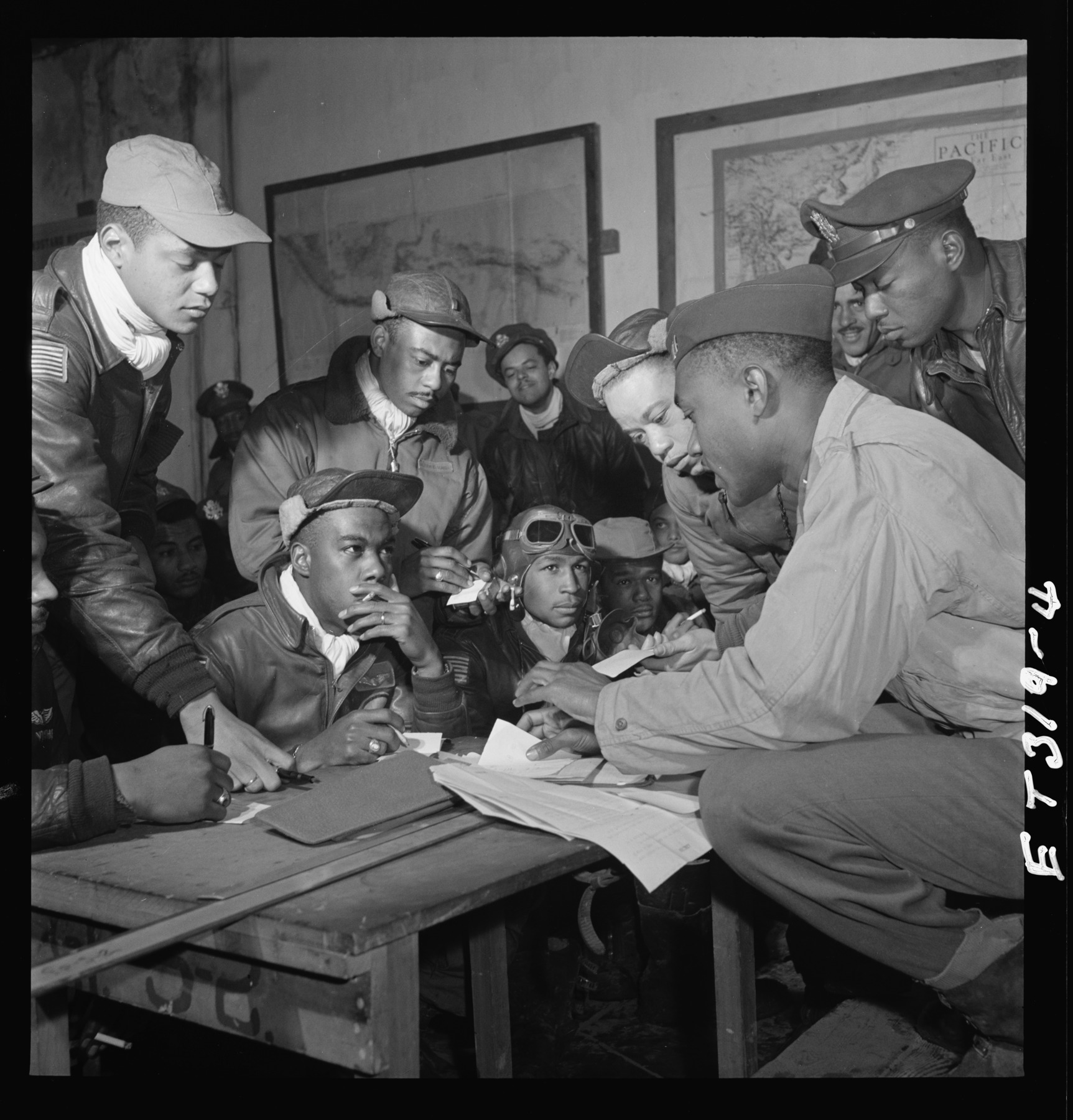
1. Tuskegee Airmen training material was caught in the DEI rollback. AP reported on January 25, 2025 that the Air Force removed courses containing videos about the pioneering Black military aviators. By January 27, the service said instruction would resume after a temporary revision; one trainee group had experienced a delay. Air Force Chief of Staff David Allvin said the airmen’s legacy would remain part of basic training. This was a disruption followed by reversal, not a verified permanent ban on teaching the Tuskegee Airmen. (Sources 2–4.)
2. Jackie Robinson’s military-service page disappeared, then returned. On March 19, 2025, a Pentagon biography of Robinson went offline during the DEI content purge and was restored the same day. AP documented both events. The Pentagon said removals outside the directive’s scope would be corrected. The episode matters because Robinson’s fight against segregation was part of his service history, not an optional detail added to his biography. It would be inaccurate to say that this particular page remains deleted. (Source 5.)
3. The Naval Academy removed books, including Maya Angelou’s memoir. The academy pulled 381 titles in April 2025 under direction from Defense Secretary Pete Hegseth’s office. They included I Know Why the Caged Bird Sings and works about racism. AP reported on May 21 that most were returned. About twenty titles—including some newly flagged books—were being reviewed. Officials could not confirm Angelou’s individual status. The purge was substantially reversed; the report is not a current inventory. (Source 6.)
4. Harriet Tubman was displaced from the top of an Underground Railroad page. A February 2025 revision removed her lead photograph and quotation and reframed the introduction around cooperation. ABC News documented the changes and their reversal on April 8. NPS said the edits lacked leadership approval. The current page again prominently features Tubman and describes resistance to enslavement. That record supports criticism of the episode, but not a claim that Trump personally directed the edit or that Tubman is still absent. (Sources 7–8.)
5. Philadelphia’s slavery exhibit was removed and fought over in court. NPS removed panels at the President’s House Site in January 2026; a federal judge ordered restoration in February. The story did not end there: later AP reporting documented an appeals-court decision permitting replacement panels. Those panels still discuss slavery, but omit some earlier detail, including a slave-trade map and timeline. The current NPS site publishes the replacement material. This is a dispute over what visitors are told—not proof that every reference to slavery vanished. (Sources 9–11.)
6. Fort Pulaski’s “Scourged Back” photograph was targeted for removal. E&E News reported on September 17, 2025 that staff were ordered to remove the famous 1863 image showing the scars of a man who escaped slavery. National Parks Traveler subsequently reported it had been taken down; PolitiFact included the removal in its February 2026 review. The photograph confronted visitors with slavery’s physical violence. We regard removing such evidence from an explanatory exhibit as sanitizing history. These sources establish the removal episode, not a fresh on-site inspection today. (Sources 12–14.)
7. The White House subjected the Black history museum to an ideological review. The March 27, 2025 executive order singled out the Smithsonian’s presentation of race and history. An August 12 letter then included the National Museum of African American History and Culture in a review of exhibits, websites, curatorial processes and historical framing. Officials described the effort as promoting accurate, uplifting accounts and American exceptionalism. Our concern is political pressure on scholarship. The letters document that pressure; they do not establish that the museum closed or that its entire collection was removed. (Sources 1 and 15.)
8. Louisiana’s Great River Road lost a route toward landmark recognition. In February 2025, Interior withdrew an earlier eligibility determination for an eleven-mile historic corridor, following state officials’ objections. The Lens reported the area’s connections to slavery and Black communities and preservationists’ objections. Officials cited the timing of the determination after a development permit application had been withdrawn. This was a reversal in the designation process, not demolition of the corridor or repeal of all preservation law. Descendant advocates saw it as diminishing Black history and exposing their community to development. (Source 16.)
9. A monument to Confederate general Albert Pike returned to Washington. NPS announced restoration in August 2025 and the statue was back by late October. The agency said the monument honors Pike’s Freemasonry leadership and cited preservation duties and Trump’s executive orders. Pike’s Confederate service remains part of the historical record. Restoring this public honor while scrutinizing slavery exhibits sends a message about whose discomfort government prioritizes—that is our assessment of the contrast, not a claim that the statue itself depicts a battle. (Sources 17–18.)
10. Arlington’s Confederate Memorial context was softened as officials planned its return. September 2026 reporting documented removal of language explaining the memorial’s idealized portrayal of slavery and the Confederacy. Arlington’s current official page says the Army expects to display the sculpture in 2027 after conservation. The planned return has not yet occurred. Removing critical context while preparing to restore a Confederate monument is a consequential change in public memory; explaining slavery honestly should accompany any display, not be treated as an obstacle to it. (Sources 19–20.)
The pattern deserves scrutiny without exaggeration. A restored page does not erase the original decision to take it down. An announced review is not the same as a completed purge. A court victory can later be narrowed or reversed. Protecting Black history requires keeping those distinctions straight—and preserving the names, sources, photographs and testimony that make the record harder to distort.
Our position is straightforward: Black service, creativity and resistance belong in the nation’s public memory, together with the institutions and violence people struggled against. We support preserving complete historical accounts, transparent explanations for changes, and public access to the evidence. Pride in Black achievement and an honest account of American history strengthen each other.
Evidence review through September 25, 2026. This editorial distinguishes removals, reversals, proposed actions, official explanations and our interpretation. Linked reporting establishes the dated episodes; it is not a physical audit of every exhibit or a current inventory of all removed books. AI-assisted research and writing.
Published by The Black Angle. Editorial standards & corrections.
The conversation (0)
Bring your perspective. Keep it thoughtful, relevant, and respectful. Community guidelines
Sign in or create an account to comment under your username. You can also comment as a guest; guest names are not verified.
Loading the conversation…