Tatyana Ali and Alfonso Ribeiro honor James Avery with a ‘Fresh Prince’ reunion
The ‘Dancing With the Stars’ tribute turned a televised reunion into a fuller remembrance of Avery as an actor, teacher and guardian of Black performance history.
Official rehearsal and tribute video from Dancing With the Stars. The clip explains why Ali chose James Avery; it opens on Facebook rather than playing on this page.
The Black Angle News Desk · AI-assisted reporting
Tatyana Ali used the October 20 ‘Dedication Night’ episode of Dancing With the Stars to honor James Avery, the actor who played her television father on The Fresh Prince of Bel-Air. Her Viennese waltz with professional partner Jan Ravnik became a reunion when Alfonso Ribeiro joined them on the ballroom floor, bringing Ashley and Carlton Banks together around the memory of the man who anchored their fictional family.
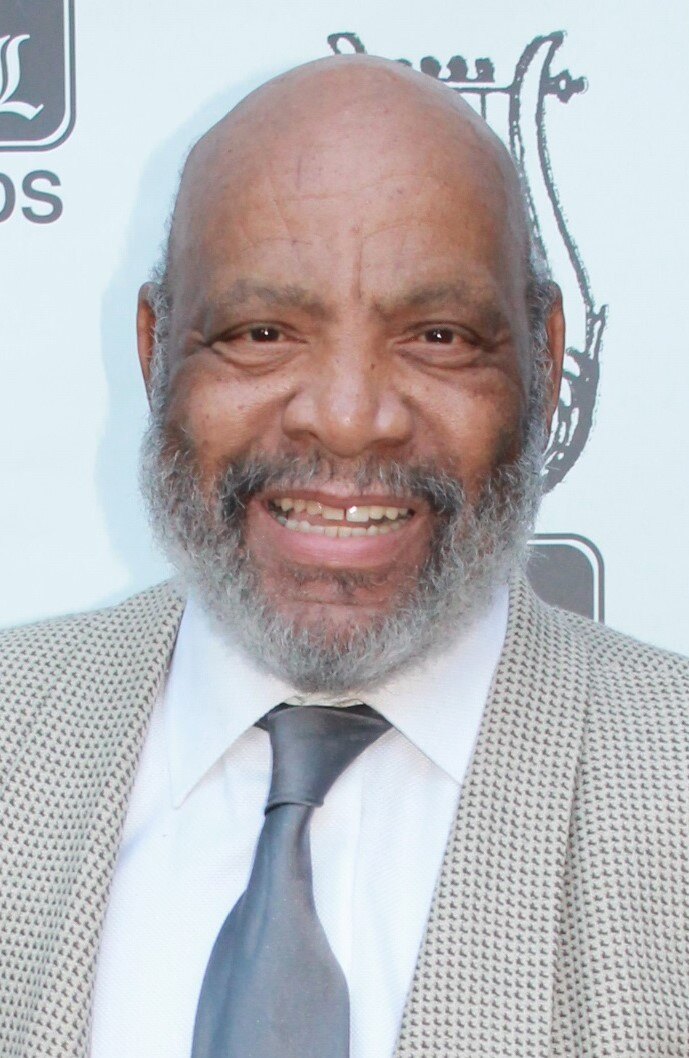
The routine was set to ‘(You Don’t Know) How Glad I Am,’ a song associated with Nancy Wilson that Ali recorded in her own voice for the performance. That choice carried personal meaning: Ali said Avery loved jazz and introduced her to artists he believed she needed to know. At the end of the dance, a photograph of Avery appeared as Ali and Ribeiro looked toward it. The pair described the moment less as nostalgia than as a public thank-you.
A teacher as well as a television father
Ali has repeatedly framed Avery’s influence as education. In interviews surrounding the episode, she said he taught her that performance belongs to a lineage and that artists inherit a responsibility to the people who came before and after them. She credited him with helping shape both her craft and the way she understands stewardship. Ribeiro, who now co-hosts the dance competition, joined rehearsals during the week and said the tribute was an opportunity to express gratitude.
That context is what gave the television moment more weight than a cast cameo. The Fresh Prince of Bel-Air ran for six seasons from 1990 to 1996, with Avery’s Philip Banks operating as the family’s moral and dramatic center. The character could be affluent, demanding and funny without surrendering his history or his Black identity. For a generation of viewers, Uncle Phil broadened what a Black father and professional man could look like in a prime-time sitcom.
The career behind Uncle Phil
Avery’s work also extended far beyond Bel-Air. He was a classically trained stage performer who played Othello at the Oregon Shakespeare Festival and worked in theaters around the country. On television he appeared as judges and other authority figures, including roles on L.A. Law, while animation audiences knew his resonant voice as Shredder in the 1987 Teenage Mutant Ninja Turtles series. He died in December 2013 following complications from open-heart surgery.
The tribute arrived almost 13 years after Avery’s death, but its focus was not only grief. Ali’s account of what he passed down—taste, discipline, historical awareness and confidence—offered a practical picture of mentorship in entertainment. Young performers do not simply need access to a set; they benefit from elders who name the tradition, challenge the work and make room for the next person to grow.
Why the reunion carries cultural weight
That is also why the reunion matters in Black television history. Fresh Prince succeeded as a comedy, but the Banks family gave mainstream audiences room to see differences of class, politics and generation within Black life. Avery’s authority kept those tensions grounded. Reuniting Ali and Ribeiro around him made visible the work that often remains off camera: an experienced Black actor investing in younger colleagues while carrying the responsibility of a role larger than himself.
The result was a remembrance built through performance rather than a highlight reel. Ali sang, danced and invited a former castmate into the tribute; the show gave Avery’s image the final beat. It was a compact piece of television, but its lasting subject was inheritance—what one artist gives another, and how that gift keeps moving after the teacher is gone.
The full episode, official show material and multiple independent recaps agree on the participants and dedication. The lead clip is an official rehearsal/tribute post rather than the complete televised dance.
Published by The Black Angle. Editorial standards & corrections.
The conversation (0)
Bring your perspective. Keep it thoughtful, relevant, and respectful. Community guidelines
Sign in or create an account to comment under your username. You can also comment as a guest; guest names are not verified.
Loading the conversation…