Death toll from two South African shootings rises to 28
A victim of the Wedela tavern attack has died in hospital, raising that shooting's toll to 18 and the combined toll from the separate Wedela and Lwandle attacks to 28.
The Black Angle News Desk · AI-assisted reporting
South African authorities raised the combined death toll from two separate weekend mass shootings to 28 on Monday after a victim of the Wedela tavern attack died in hospital. Eighteen people have now died in Wedela, west of Johannesburg, and 10 were killed at a shisanyama, a venue serving grilled meat, in Lwandle on the outskirts of Cape Town. Police had not announced an arrest in either case by Monday morning local time. Investigators have named possible lines of inquiry, but they have not established a motive for either attack.
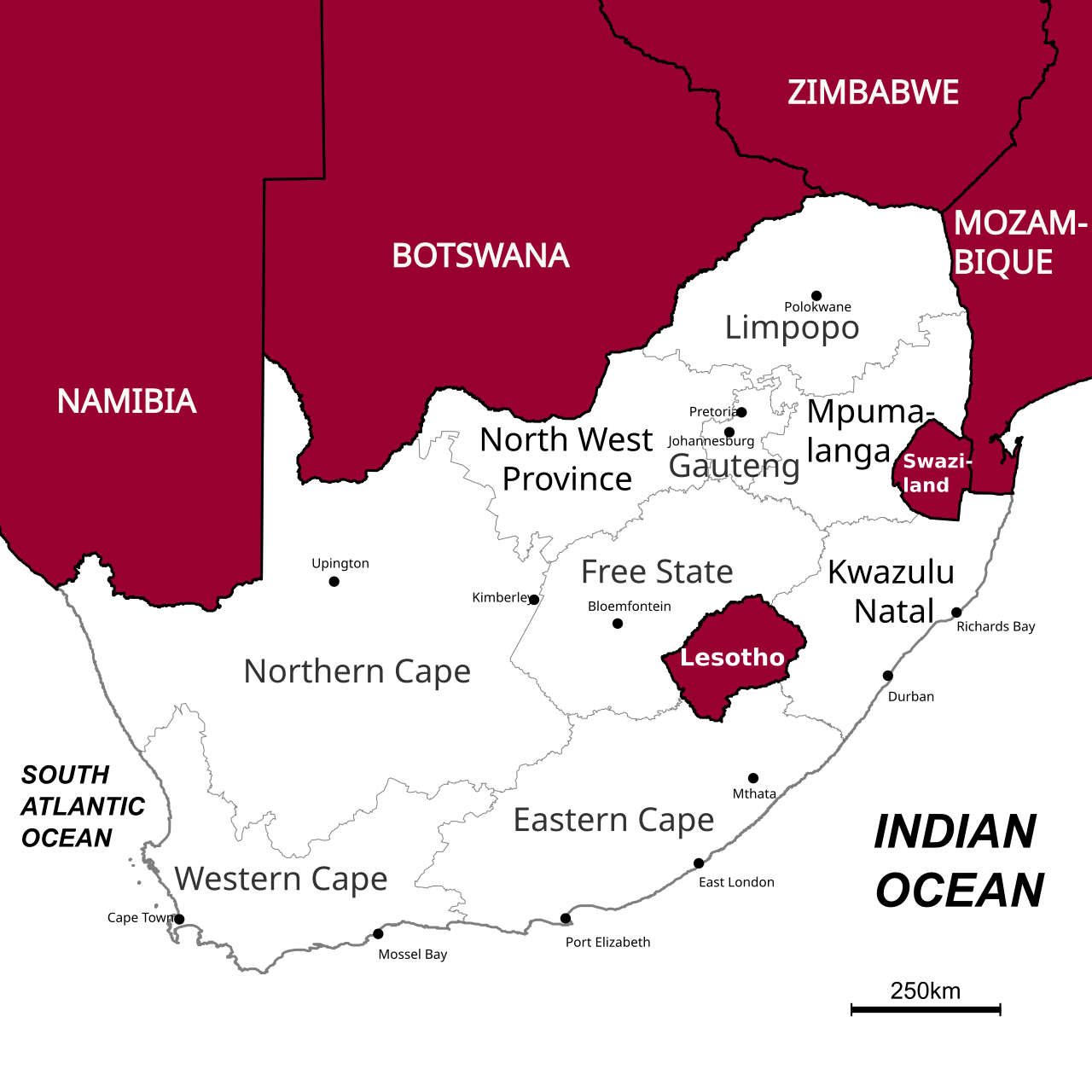
In Wedela, in Gauteng province, gunmen attacked a tavern in Extension 3 at about 9:30 p.m. Saturday. Police said the assailants opened fire on people outside before entering and continuing to shoot. Seventeen people died at the scene, and police said Monday that another person had died in hospital. Only four of the 18 people killed had been identified publicly by nationality in the latest police update: two South Africans and two Lesotho nationals. Five surviving patients were described as critically wounded.
Police said eight men were being sought in connection with the Wedela attack. The suspects were described as carrying AK-47-style rifles and pistols. Investigators said some patrons’ phones were taken, two vehicles were set alight and the attackers fled in two vehicles. Police updated the case counts to 18 murders, 18 attempted murders, two cases of malicious damage to property and armed robbery. Officials said images believed to show the suspects and other evidence had been recovered, but no public identification had been announced.
Hours later, at about 2 a.m. Sunday, gunmen opened fire at a shisanyama in Lwandle in the Western Cape. Ten people were killed and 11 others were injured, according to police figures reported by Reuters and SABC. The attack occurred roughly 1,400 kilometers from Wedela. Authorities have described the events as separate incidents, and there is no verified evidence that they were coordinated. No arrests had been reported in the Lwandle case as this article was published.
Police have since described several working theories. Gauteng police commissioner Tommy Mthombeni said robbery was suspected in Wedela because patrons’ belongings were taken, while an illegal-mining turf conflict and possible retaliation for an earlier shooting at the same tavern were also under examination. In Lwandle, a police official said business rivalry might be relevant. These are investigative leads, not findings. Authorities have not shown publicly that any one theory explains either attack, and no suspect has been charged.
That distinction matters. South Africa faces entrenched problems involving illegal firearms, organized criminal networks and gang violence, but those broader conditions do not establish who carried out these particular attacks or why. Crime expert Yusuf Abramjee has argued that mass-shooting investigations should examine the networks that supply and circulate illegal guns as well as the immediate perpetrators. That is a policy argument; it is not evidence assigning either shooting to a specific group.
The killings arrive during an already painful period for South Africans. Earlier in the week, 11 people were killed at a house party near Durban. Separately, the discovery of multiple women’s bodies near Johannesburg has intensified fear and anger over femicide. Each investigation has its own facts and must be handled separately. Taken together, however, the deaths have renewed pressure on national and provincial authorities to protect communities, trace illegal weapons and give families answers without rushing to unsupported conclusions.
Crime is also expected to weigh heavily in South Africa’s municipal elections in November. President Cyril Ramaphosa has previously described organized crime as a threat to the country’s democracy, and the national government has deployed soldiers to support police in some high-violence areas. Those measures will be judged not only by arrests but by whether residents can gather, socialize and work without accepting mass violence as an unavoidable part of community life.
For now, the immediate public facts are limited: 28 people are dead across the two attacks, eight suspects are being sought in the Wedela case, and no motive has been established or arrest announced for either shooting. Police have revised the Wedela casualty and case counts as hospital and identification work continued, and further changes remain possible. The Black Angle will update this report if police identify suspects, announce arrests or materially revise the confirmed toll. Any person eventually arrested is entitled to be treated as accused unless and until a court reaches a finding.
Updated September 28 after police confirmed another Wedela victim died. The investigation remains active; police have described possible motives, but none has been established and no arrest has been announced in either attack.
Published by The Black Angle. Editorial standards & corrections.
The conversation (0)
Bring your perspective. Keep it thoughtful, relevant, and respectful. Community guidelines
Sign in or create an account to comment under your username. You can also comment as a guest; guest names are not verified.
Loading the conversation…