Federal forces reported at Mekelle airport as Tigray conflict escalates
Three sources told Reuters that Ethiopian federal troops had retaken Mekelle’s airport, a major battlefield development that remains preliminary as access limits and fighting complicate independent verification.
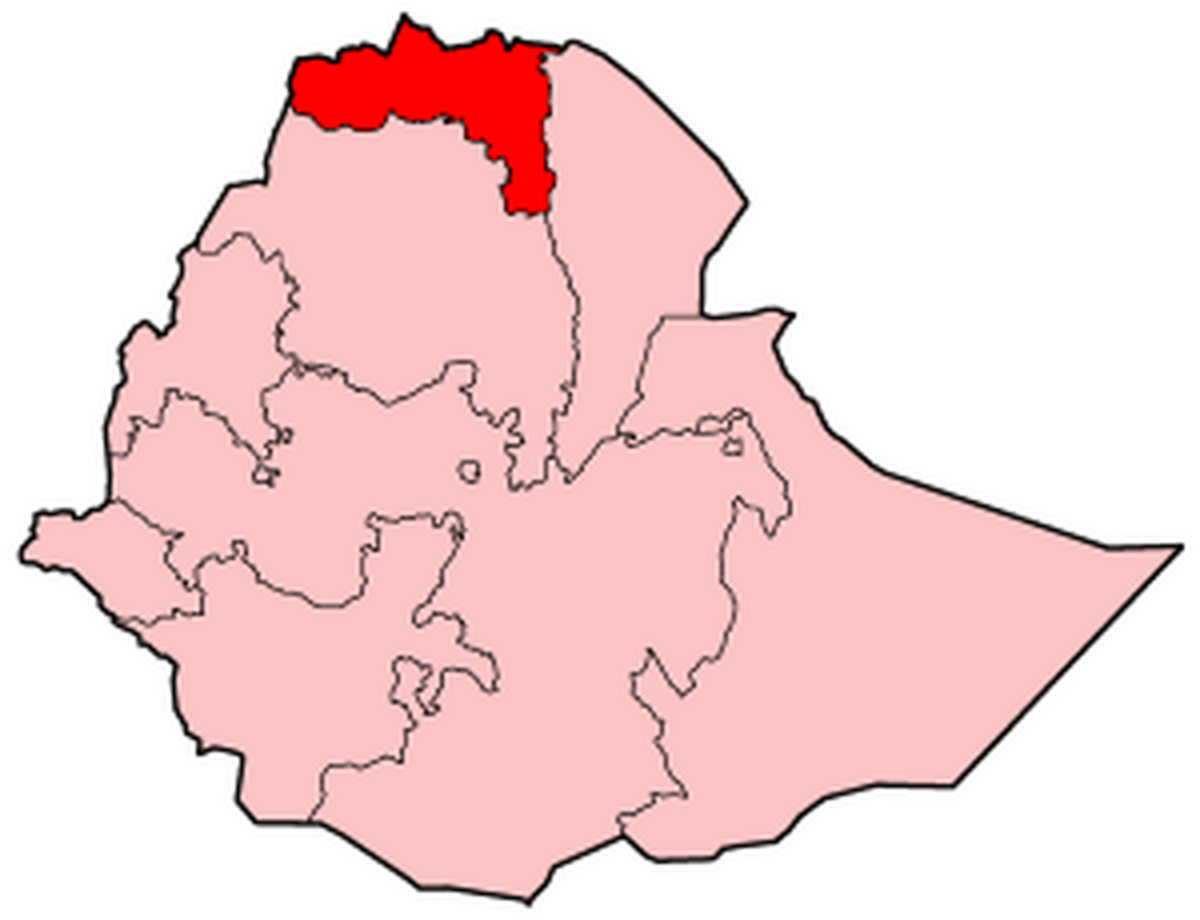
The Black Angle News Desk · AI-assisted reporting
A major escalation in northern Ethiopia has placed the fragile peace that ended the Tigray war under its most serious strain in four years. Fighting that intensified on September 23 has spread from Tigray into parts of neighboring Afar and Amhara, disrupted flights and telecommunications, and renewed fears that civilians could again be trapped between armed forces. The federal government and Tigrayan authorities offer sharply conflicting accounts of who initiated the latest offensive, and the available reporting does not resolve that dispute.
A senior Ethiopian official told Reuters that Tigrayan forces launched a broad attack against federal positions. Tigray’s regional administration described its operations as defensive and accused the government of intensifying attacks against the region. Independent reporting confirms that combat expanded across several fronts, but access limits make battlefield claims difficult to verify. The competing accusations should therefore be treated as claims by the parties, not as established findings about responsibility for the escalation.
The military movement has already affected civilian life. Tigrayan forces took control of the airports at Mekelle, Axum and Shire on September 23, according to accounts cited by Reuters, the United Nations and the European Union. Ethiopian Airlines suspended service to the region. Internet and phone connections were also disrupted. Communications blackouts can separate families, obstruct medical coordination and make it harder for journalists and humanitarian workers to establish what is happening outside major towns.
On October 3, three sources told Reuters that Ethiopian federal forces had retaken Alula Aba Nega Airport, about 10 kilometers from central Mekelle. One source with knowledge of the city, a humanitarian source and a resident separately described federal control of the airport; the resident also reported hearing gunfire outside the city center. Reuters said it could not independently verify the accounts, Ethiopia’s military had not publicly confirmed them, and the TPLF could not immediately be reached for comment. A source close to the TPLF told the news agency that Mekelle was encircled by federal troops and allied militias. The airport report is therefore a significant preliminary development, not a verified declaration that the city has fallen or that the wider conflict has been decided.
The reported advance follows several days of federal-aligned movement toward Mekelle. On October 2, the pro-government Tigray Peace Force militia said it had captured Milazat, roughly 20 kilometers southeast of the city. Reuters could not verify a video said to show militia members there, while a diplomatic source said senior TPLF figures had left Mekelle. Those details remain attributed claims. Earlier reporting from AP documented the Tigrayan takeover of the airport, flight cancellations and growing civilian fear, but AP had not independently corroborated the October 3 recapture report at publication time.
Fighting has also been reported in Afar and Amhara. Residents near Lalibela told Reuters that federal forces fired heavy weapons toward advancing fighters outside the historic town. In Afar, regional officials accused the Tigray People’s Liberation Front of an invasion, while Tigrayan representatives continued to characterize their actions as a response to federal aggression. The overall scale of the fighting, territorial control and reliable casualty totals remain uncertain. Reports from the armed forces and political organizations should not be mistaken for independently confirmed counts.
By September 28, the pro-government Tigray Peace Force said federal-aligned troops had captured Alamata, a strategic transport and supply hub about 120 kilometers south of Mekelle. Reuters reported that two diplomatic sources also said the town had fallen, while a third said pro-government forces had entered but that full control was not yet clear. Reuters could not independently verify a video released by the militia, and neither Ethiopia’s military nor the TPLF immediately responded to the news agency. AFP separately reported that conflict monitor ACLED had confirmed reports that federal forces seized the town. Taken together, those accounts indicate a significant counteroffensive, but the lack of access and the town’s history of changing hands mean control should not be treated as settled. Alamata’s position on a major north-south route makes any durable shift there consequential for both military supply and civilian movement.
The escalation follows the September 21 announcement of an alliance among seven armed organizations, including the TPLF, the Amhara Fano National Movement and the Oromo Liberation Army. The coalition says it seeks to remove Prime Minister Abiy Ahmed’s government. Its members, however, come from different regions and include forces that have fought one another in the recent past. Their cooperation reflects shared opposition to the federal government, not proof that longstanding territorial and political disputes have been settled.
That history makes the present moment especially dangerous. War between Ethiopia’s federal government and Tigrayan forces from 2020 to 2022 killed hundreds of thousands of people, displaced communities and pushed parts of Tigray toward famine conditions. The African Union-brokered Pretoria Agreement halted the main conflict in November 2022, but it did not resolve every territorial dispute or fully repair relations among the federal government, Tigrayan leaders, Amhara forces and neighboring Eritrea. Roughly 750,000 people remained internally displaced in Tigray earlier this year, according to United Nations data cited in current reporting.
Humanitarian agencies are warning that renewed warfare could compound needs created by displacement, drought, disease and earlier violence. The United Nations called for immediate de-escalation, protection of civilians and safe access for relief workers. It said fighting across multiple fronts was increasingly disrupting humanitarian operations. Those protections are not optional favors to one side: international humanitarian law requires parties to protect civilians and allow impartial relief to reach people in need.
The European Union announced on September 28 that its humanitarian assistance for Ethiopia in 2026 would reach €61 million, including €18 million from a broader crisis package announced during the United Nations General Assembly. The money is intended for food, nutrition, health care, water, sanitation, shelter, protection and education in emergencies. The EU said the additional funding remains subject to approval by the budget authority. Funding can help, but its value depends on whether humanitarian teams can safely reach communities and whether armed actors respect the independence of relief operations.
For families across northern Ethiopia, the urgent questions are practical: whether roads and clinics remain accessible, whether displaced people can find food and shelter, and whether negotiations can stop the fighting before it widens further. There is not yet a trustworthy public accounting of the human toll from the latest escalation. Reporting should resist turning uncertain battlefield claims into spectacle and keep attention on civilian protection, humanitarian access and a return to direct talks under the peace framework.
The October 3 airport report is preliminary and currently rests on three sources quoted by Reuters; neither the military nor the TPLF had publicly confirmed the change in control, and access limits prevent an independent accounting of front lines or casualties.
Published by The Black Angle. Editorial standards & corrections.
The conversation (0)
Bring your perspective. Keep it thoughtful, relevant, and respectful. Community guidelines
Sign in or create an account to comment under your username. You can also comment as a guest; guest names are not verified.
Loading the conversation…