Lawsuit challenges Utah oil road through Buffalo Soldiers’ historic canyon
Conservation groups say the Gate Canyon project threatens Black military history, Indigenous cultural resources and wildlife habitat; the federal government has not yet answered the complaint.
The Black Angle News Desk · AI-assisted reporting
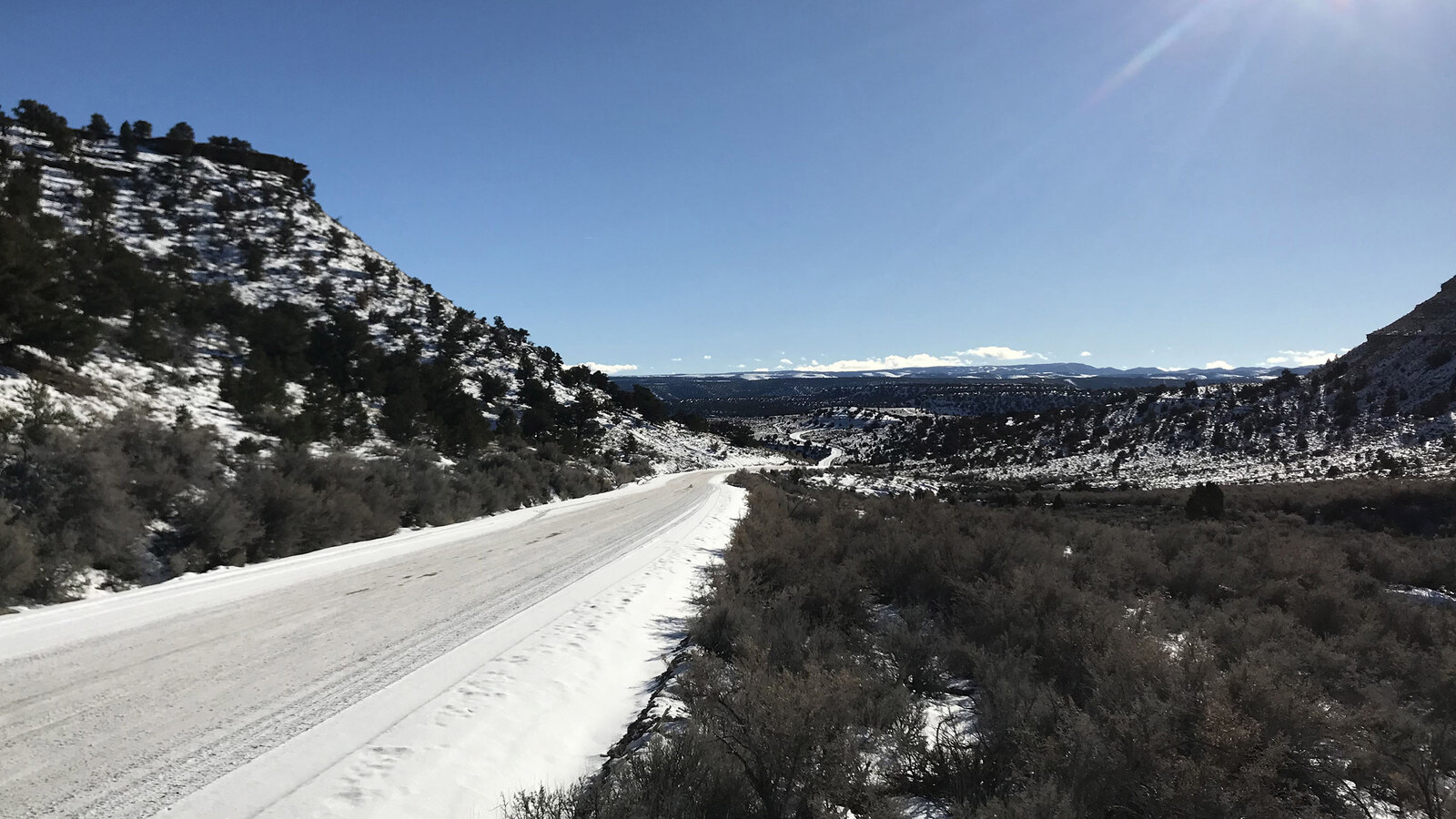
Three conservation organizations have sued the federal government over a plan to widen, realign and pave Wells Draw Road through Gate Canyon in eastern Utah. The complaint, filed October 6 in U.S. District Court in Utah, asks a judge to set aside the Bureau of Land Management’s April approval. The plaintiffs say the project would cut into canyon walls, expose a culturally dense landscape to much heavier traffic and threaten historical traces of Black Buffalo Soldiers who helped build and maintain the route in the late 1800s.
The case was brought by the Nine Mile Canyon Coalition, Southern Utah Wilderness Alliance and Center for Biological Diversity against the BLM, the Interior Department and a BLM official. Their filing alleges violations of the National Environmental Policy Act, National Historic Preservation Act, Endangered Species Act, Federal Land Policy and Management Act and Administrative Procedure Act. Those are allegations, not findings. The government has not filed its court response, and an Interior Department spokesperson said the agency would not comment on pending litigation.
BLM describes the project as a reconstruction of roughly 5.3 miles of road proposed by Duchesne County Special Service District No. 2. The agency says about 2.8 miles and a parking area would be on BLM-managed land, with the remainder crossing land administered by Utah’s Trust Lands Administration. Its April 28 decision amended an existing right of way after an environmental assessment and finding of no significant impact. The rebuilt route would connect the Uinta Basin more directly with oil transloading facilities in Carbon County.
Gate Canyon is also part of a larger Black history that Utah preservation groups have worked to bring into public view. The 9th Cavalry—one of the segregated Black Army regiments known as Buffalo Soldiers—was stationed at Fort Duchesne beginning in 1886. State tourism and preservation materials say its soldiers improved and maintained roads, installed telegraph lines between Price and Fort Duchesne, patrolled the corridor and escorted supplies and annuity payments. Rock-wall markings in Nine Mile and Gate canyons are believed to include names left by some of those soldiers.
That history carries complexity. Buffalo Soldiers served with distinction in an Army that denied them equality, while the same Army enforced federal expansion across Native homelands. The landscape at issue cannot be reduced to one chapter. Nine Mile Canyon contains an extraordinary concentration of Indigenous rock imagery and archaeological sites associated with Archaic, Fremont and Ute peoples. The lawsuit cites earlier federal work identifying at least 47 historic sites along or near Gate Canyon Road, 43 of them considered eligible for the National Register of Historic Places.
The plaintiffs argue that BLM approved the latest proposal without adequately analyzing construction blasting, traffic, cultural resources, visual impacts and potential habitat for the threatened Mexican spotted owl. They also say the agency declined requests for a public-comment opportunity after earlier versions of the project drew substantial opposition. BLM’s public approval notice says the responsible official issued an environmental assessment and decision record, but the agency’s short announcement does not address each allegation now before the court.
Traffic projections are another disputed point. The complaint relies on earlier project documents that anticipated 700 to 1,000 vehicles a day, as many as half of them heavy trucks, while saying existing traffic ranged from about 50 to 600 vehicles daily. It alleges the 2026 assessment did not reconcile those earlier estimates with its conclusion that meaningful changes to Nine Mile Canyon traffic were not expected. The filing also says private oil-hauling contracts made exact tanker use difficult for the agency to quantify. A court has not decided whether BLM’s analysis met federal law.
For Black history, the conflict is about more than whether every inscription can be tied to a named soldier. The road itself records the labor of Black servicemen whose contributions to the American West were long minimized in popular accounts. Utah’s Buffalo Soldier Heritage Trail project, developed with the Sema Hadithi African American Heritage and Culture Foundation and state preservation officials, has been documenting that record through markers, exhibits and educational material. Destruction or alteration of the physical setting would change how future visitors encounter that history.
The lawsuit does not itself stop the road project, and no ruling on the requested relief had been reported by early October 9. The next steps will include the government’s formal response and any request for preliminary court intervention. Until a judge reviews the administrative record, the central legal question remains open: whether the BLM lawfully balanced a transportation project with its obligations to protect a canyon where Black military history, Native cultural heritage and a fragile public landscape meet.
The lawsuit and BLM approval are public, but the government has not yet answered the complaint and no court has ruled on the plaintiffs’ claims. Historical materials describe some canyon markings as believed to have been left by Buffalo Soldiers.
Published by The Black Angle. Editorial standards & corrections.
The conversation (0)
Bring your perspective. Keep it thoughtful, relevant, and respectful. Community guidelines
Sign in or create an account to comment under your username. You can also comment as a guest; guest names are not verified.
Loading the conversation…