DistroKid removes some releases amid UMG lawsuit, leaving indie artists asking why
The distributor says only a small number of recordings were removed, but musicians report missing songs, limited notice and a counter-notice process that can keep music offline for at least 10 business days.
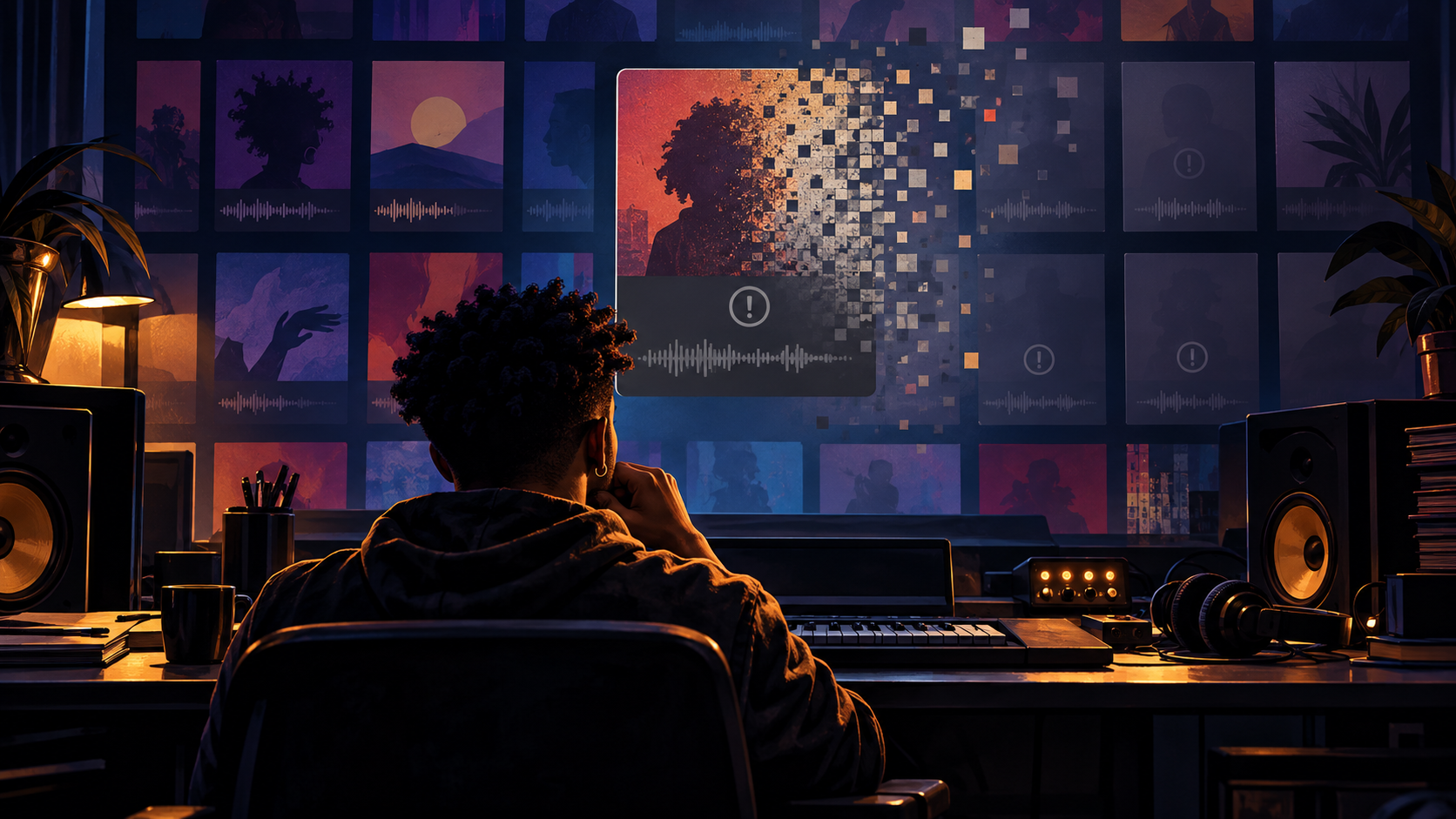
The Black Angle News Desk · AI-assisted reporting
DistroKid has confirmed removing a limited group of recordings in response to copyright claims from Universal Music Group, creating a second conflict inside the label’s ongoing lawsuit against the independent-music distributor. UMG says the platform enabled large-scale infringement and deceptive, mass-generated music. DistroKid denies the allegations, while some musicians say legitimate work has disappeared with little warning or explanation.
The company’s vice president of artist services, Amanda Ferri, told The Verge that a ‘very small number’ of recordings had been removed because of UMG’s claims. She said DistroKid disputes the lawsuit and is trying to reduce disruption for artists. The company has not publicly identified the removed catalog, disclosed a precise number of affected releases or explained the matching process used for every takedown.
Several artists described a messier experience. McGwire said six songs were removed, including a Stevie Wonder cover he says was licensed and another recording flagged for allegedly sampling a song released two years later. Rapper Insane Ian said an original song vanished without warning. King Chase said an album by an artist he worked with was removed after years online and without a prior strike. Those are the artists’ accounts; The Black Angle has not independently reviewed their licenses, upload histories or DistroKid correspondence.
The removals follow UMG’s September 15 lawsuit in federal court in Delaware. The complaint accuses DistroKid and related companies of distributing unlicensed copies, altered versions and undisclosed mass-generated recordings. It lists 1,000 recordings that UMG alleges were infringed, including work associated with Drake, Kendrick Lamar, Rihanna and Toosii. Those allegations have not been proven. No judge or jury has found DistroKid liable, and the distributor says it is confident in its practices and will defend the case.
The lawsuit and the new removals expose a difficult pressure point for self-releasing musicians. A distributor must respond to credible copyright complaints, but a broad or inaccurate match can interrupt an artist’s release, audience access and income before a dispute is resolved. That risk is especially consequential for independent Black artists and producers who use low-cost distribution services to reach the same storefronts as major-label releases without a label’s legal or administrative staff.
DistroKid’s help center says a creator who believes a removal resulted from a mistake or misidentification may submit a DMCA-compliant counter-notice. The company warns that false statements can bring financial or legal consequences. After a valid counter-notice, DistroKid says it must wait 10 business days before restoring the content or allowing a new upload, and an individual streaming service may still decline to reinstate it under its own rules. That process is a legal response, not an instant appeal button.
The central dispute remains unresolved. UMG argues that weak screening harms rightsholders and human artists by allowing unauthorized or misleading tracks to compete for attention and royalties. DistroKid argues that the label’s claims misrepresent its operation. The newly reported artist complaints add another question: whether the effort to remove allegedly infringing music can distinguish reliably between a bad upload and a working musician with valid rights.
For affected creators, the practical first steps are to preserve notices, licenses, beat or sample agreements and screenshots showing when a release went offline, then read the distributor’s counter-notice requirements carefully. This article is not legal advice, and a counter-notice carries consequences. The public record does not yet show how many challenged releases will return, how many will remain offline or whether the court case will change DistroKid’s review system.
DistroKid confirmed that a small number of recordings were removed but did not disclose the full list or exact total. Individual artists’ accounts of mistaken removals have not been independently adjudicated, and UMG’s lawsuit remains unresolved.
Published by The Black Angle. Editorial standards & corrections.
The conversation (0)
Bring your perspective. Keep it thoughtful, relevant, and respectful. Community guidelines
Sign in or create an account to comment under your username. You can also comment as a guest; guest names are not verified.
Loading the conversation…